 dqpack@danqing.net
 +8618125839585

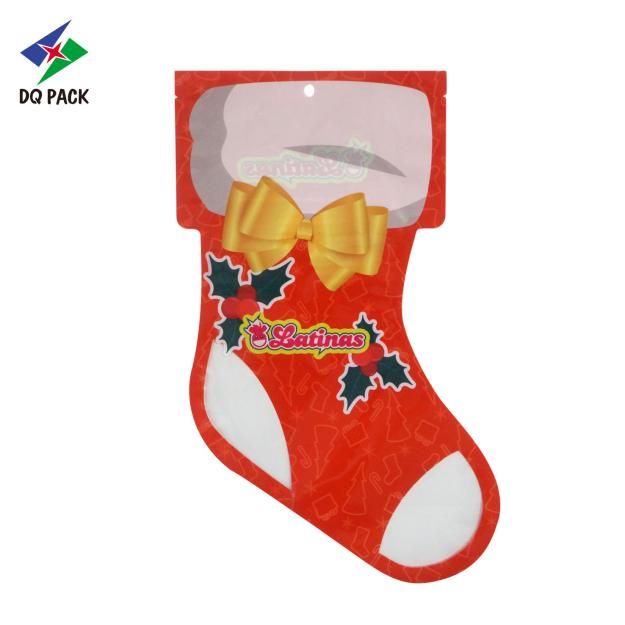
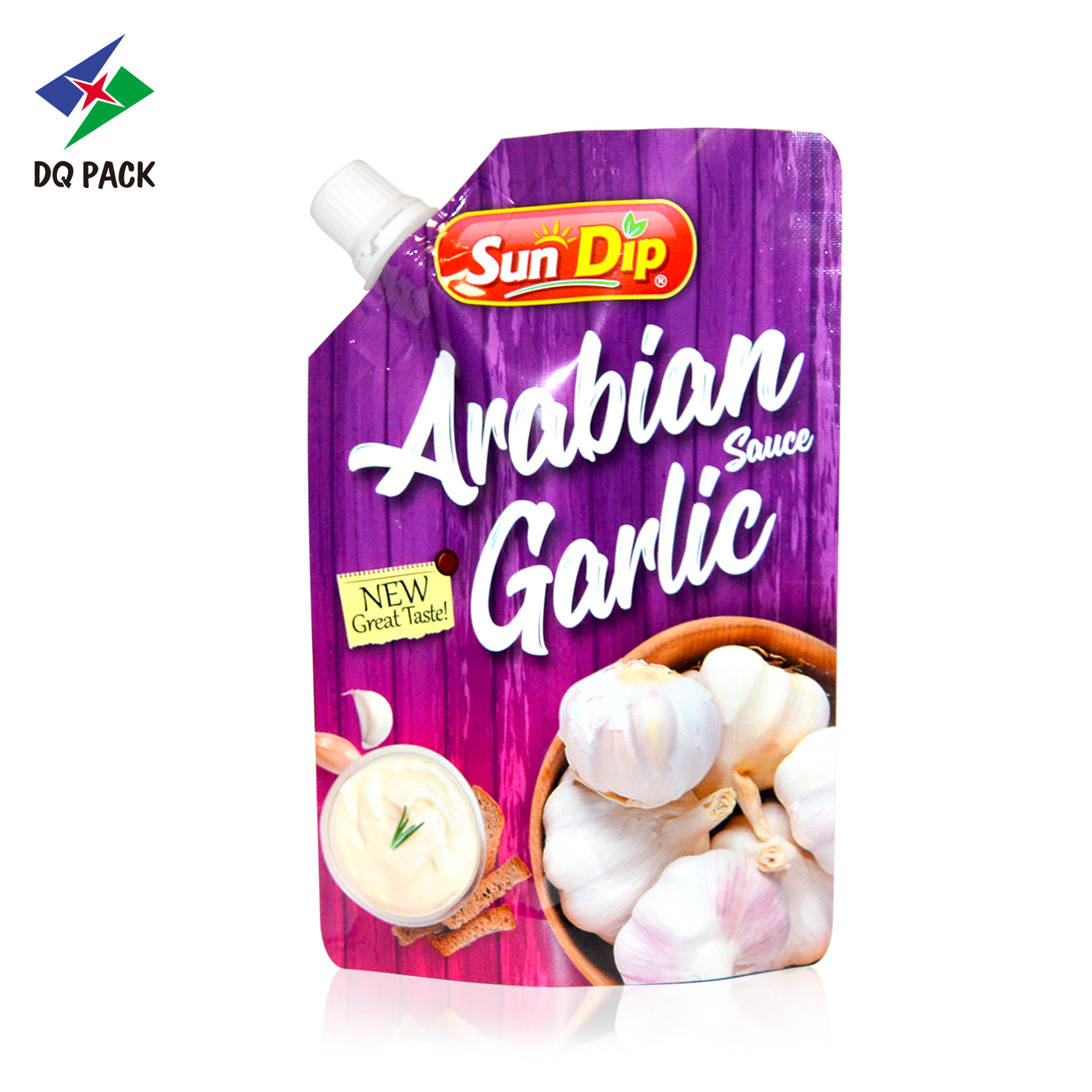
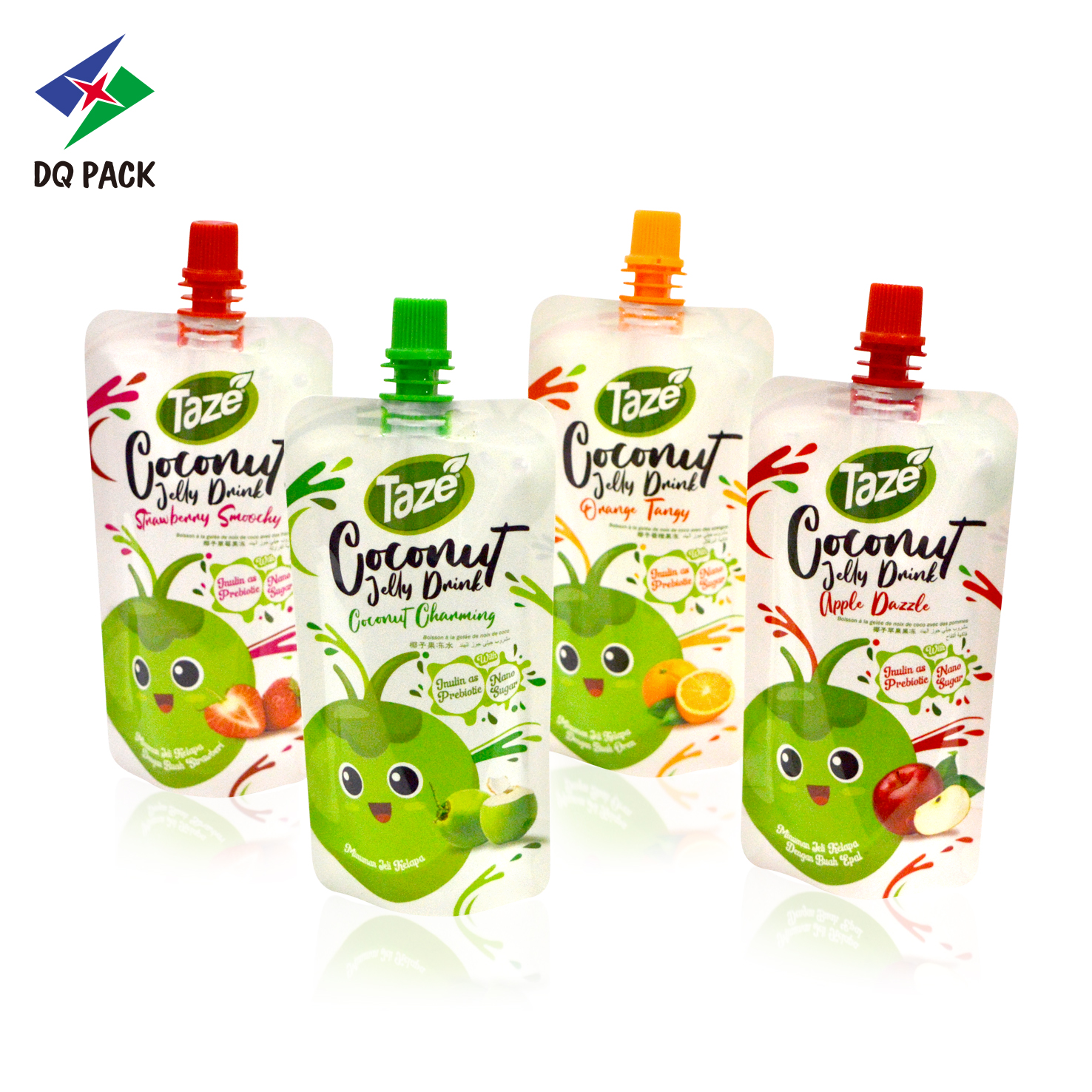
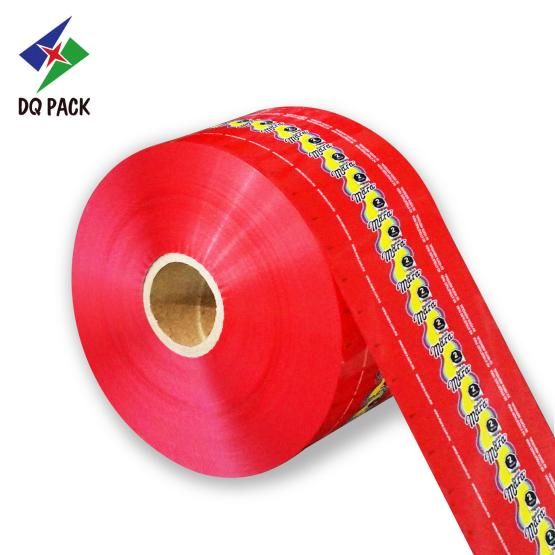
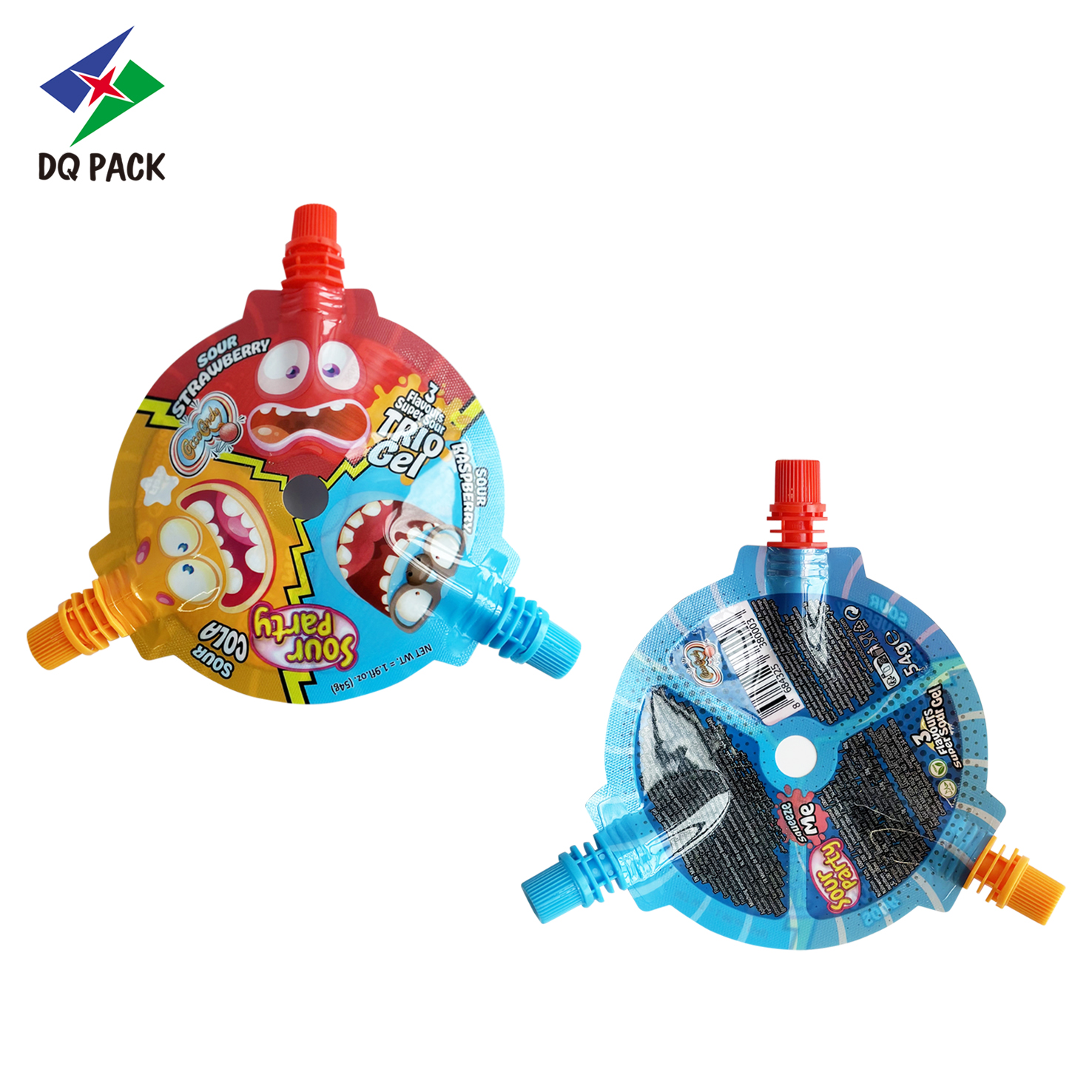
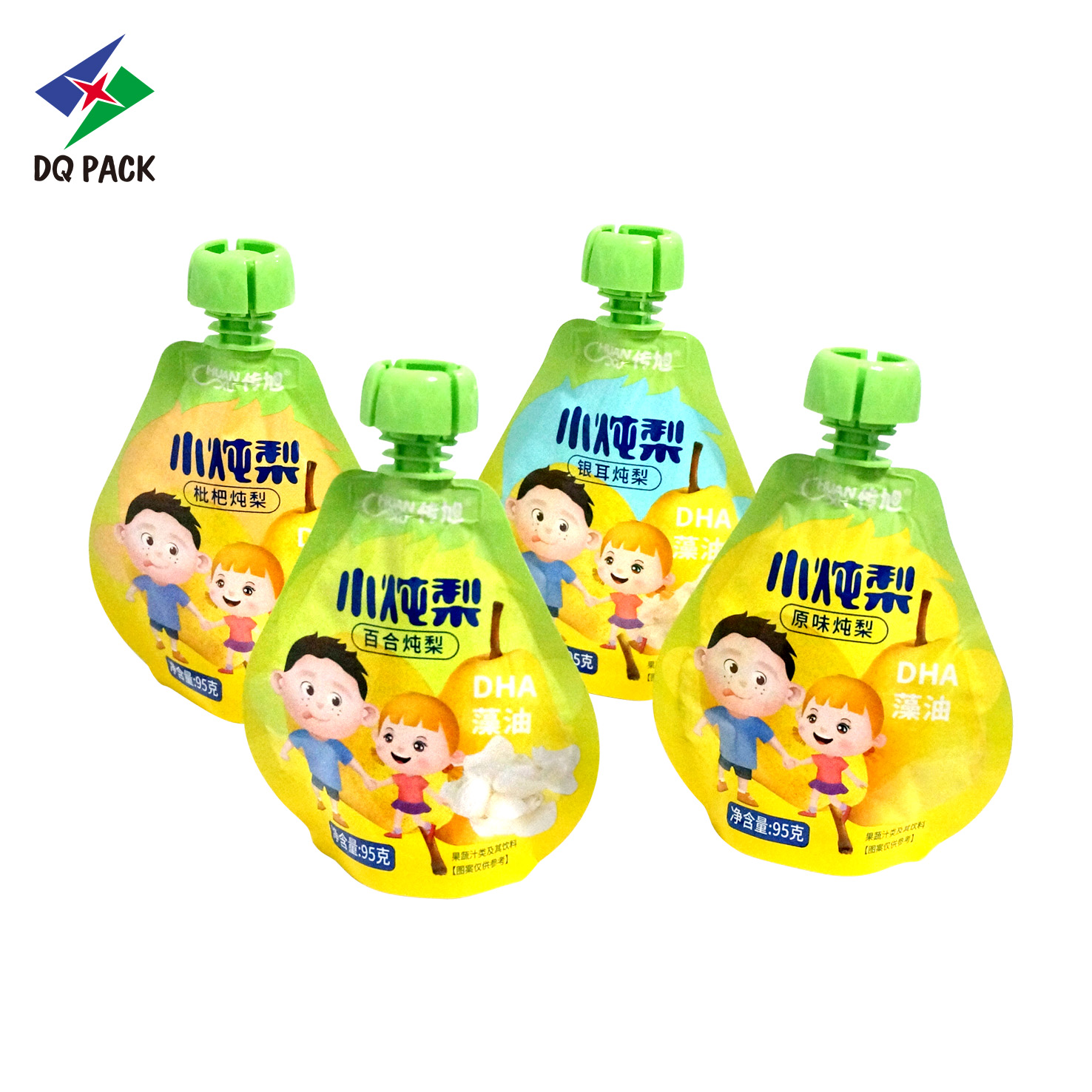
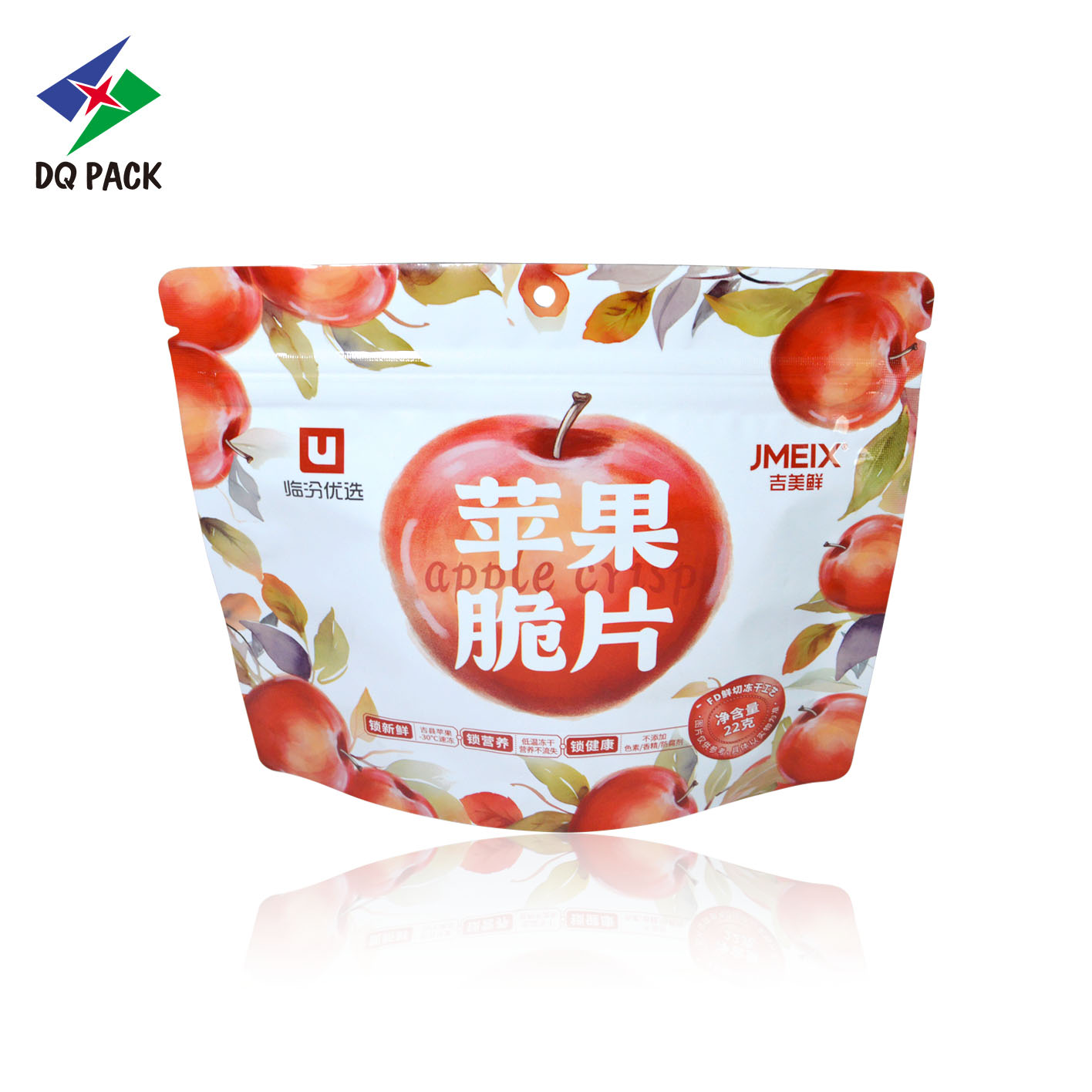
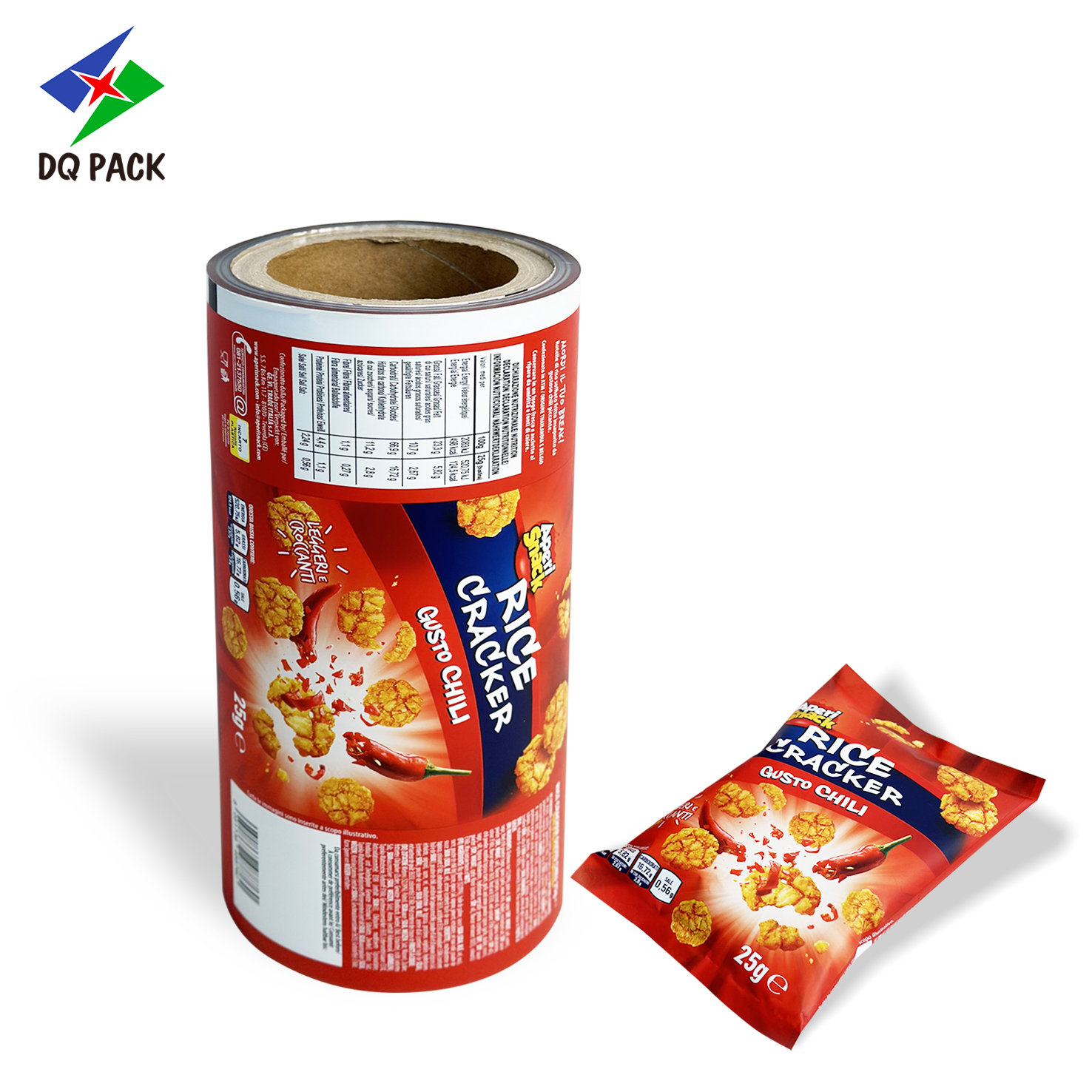

With 31 years experience in packaging field, DQ PACK embraces the philosophy, aiming at striving to become the best partner from the local market for global customers and suppliers.
FOLLOW US


Explore our core flexible barrier solutions adapted for high-grade whole bean and ground coffee preservation.
In the rapidly maturing landscape of global specialty coffee, the journey of roasted beans from the cooling tray to the consumer’s brew setup is fraught with bio-chemical challenges. Specialty coffee bean roasting brands operate in a high-stakes market where volatile aroma compounds, subtle enzymatic flavor notes (ranging from jasmine and bergamot to dark stone fruit), and precise acidity must be safeguarded over extended distribution cycles. Among all flexible packaging formats available to modern master roasters, the Doypack bag (stand-up pouch) has emerged as the unequivocal industry benchmark for preserving harvest integrity, enhancing retail shelf presence, and reducing carbon footprints across supply chains.
The global specialty coffee sector has transitioned from third-wave artisanal roasting into a data-driven, quality-obsessed fourth-wave era. Today’s consumers demand traceability, micro-lot freshness, and eco-conscious packaging. In response, roasters can no longer rely on primitive paper bags or non-barrier plastic films that allow premature staling through oxidation and moisture ingress. A purpose-engineered Doypack bag provides a fortress-like ambient micro-environment that holds oxygen levels below 1%, buffers against ambient relative humidity fluctuations, and accommodates degassing dynamic pressure—all while maintaining structural elegance on retail shelves and kitchen countertops.
Ultra-low Oxygen Transmission Rates (OTR < 0.5 cc/m²/day) prevent lipid oxidation and loss of delicate aromatics.
One-way degassing valves continuously vent CO2 emitted by freshly roasted beans without allowing oxygen ingress.
Transition toward recyclable Mono-Material (PE/PE) and Industrial Compostable structures meeting modern circular economy standards.
Why has the Doypack structure dominated specialty coffee roasting logistics compared to flat pouches or side-gusseted bags? The answer lies in its structural physics and multi-layer material engineering.
During the roasting process, thermal pyrolysis causes carbohydrates within green coffee beans to decompose, generating significant volumes of Carbon Dioxide (CO2). Freshly roasted specialty coffee can release up to 10 liters of CO2 gas per kilogram over the first 14 days post-roast. If sealed inside a non-vented airtight container, the pressure will cause structural failure or ballooning of the pouch. Conversely, if left open, atmospheric oxygen instantly degrades delicate lipids, creating rancidity and flat taste profiles.
The Doypack bag solves this dilemma through the integration of an engineered one-way degassing valve. Heat-sealed into the upper portion of the laminate, the valve operates on a spring-loaded or rubber diaphragm mechanism. When internal CO2 pressure exceeds ambient atmospheric pressure (typically around 2 to 5 mbar), the valve membrane flexes outward, allowing gas to escape. As soon as internal and external pressures equalize, the valve seals airtight, completely blocking external O2 and moisture from entering.
A specialty coffee Doypack bag is rarely a single polymer film; it is a sophisticated composite laminate tailored to achieve balanced mechanical strength, barrier efficiency, and tactile feel:
The defining characteristic of the Doypack is its bottom gusset design. When filled with whole coffee beans (ranging from standard 250g/8oz micro-lots to 1kg/2.2lb commercial food-service sizes), the gusset expands to create a stable, flat base. This allows the bag to stand upright independently on retail displays without requiring secondary support frames. The geometry optimizes space utilization during shipping, reducing outer carton volumes by up to 30% compared to rigid tin cans or glass jars.
Technical Insight: Preserving specialty coffee aroma relies heavily on keeping water activity (a_w) below 0.6 and headroom oxygen levels below 0.5%. Advanced high-barrier Doypack bags engineered by DQ PACK maintain these strict parameters over 12-to-24-month shelf life windows.
As roasting brands target younger demographic segments (Gen Z and Millennials), environmental responsibility has shifted from a secondary selling point to a core brand requirement. Packaging suppliers are undergoing a massive R&D evolution to replace legacy aluminum-foil-laminated plastics with circular-economy alternatives.
Traditionally, multi-material laminates (such as PET/AL/PE) were virtually impossible to recycle through kerbside municipal programs due to the difficulty of separating distinct polymer layers. The current industry revolution centers on mono-material polyolefin laminates. By utilizing High-Density Polyethylene (HDPE) combined with specialized Oriented PE (MDO-PE) outer films, roasters can now purchase 100% recyclable Doypack bags. Enhanced with EVOH ultra-thin coatings, these mono-material pouches deliver barrier performance that matches traditional aluminum foil structures while qualifying for Recycle Code 4 streams.
Specialty roasters use packaging as their primary physical canvas. Modern Doypack bag production incorporates advanced surface treatment technologies:
For specialty coffee roasting brands seeking a trusted global manufacturing partner, DQ PACK brings unparalleled expertise, technological capacity, and certified quality management to the table.
With 31 years of experience in the flexible packaging field, DQ PACK embraces a philosophy centered on striving to become the ultimate partner for local markets and global customers alike. Our stand-up pouches, Doypacks, and custom printed roll stock films are exported to over 1,200 clients across more than 140 countries and regions—including the USA, UK, Mexico, Ukraine, Turkey, Australia, Cameroon, Libya, Pakistan, and beyond.
As a leading flexible packaging manufacturer with self-run export rights, DQ PACK has established international branch offices in Malaysia and Hong Kong. Our dedicated R&D Team—backed by over 15 years of targeted production and high-precision gravure printing expertise—continuously develops innovative barrier structures, sustainable film compositions, and tailored closure systems to serve the evolving demands of specialty roasters worldwide.
Operating two state-of-the-art laboratory centers, DQ PACK regularly invests in advanced testing instrumentation (gas chromatography, OTR/WVTR analyzers, tensile strength testers, and seal burst equipment) to guarantee that every batch of coffee Doypack bags meets strict international food-contact safety standards.
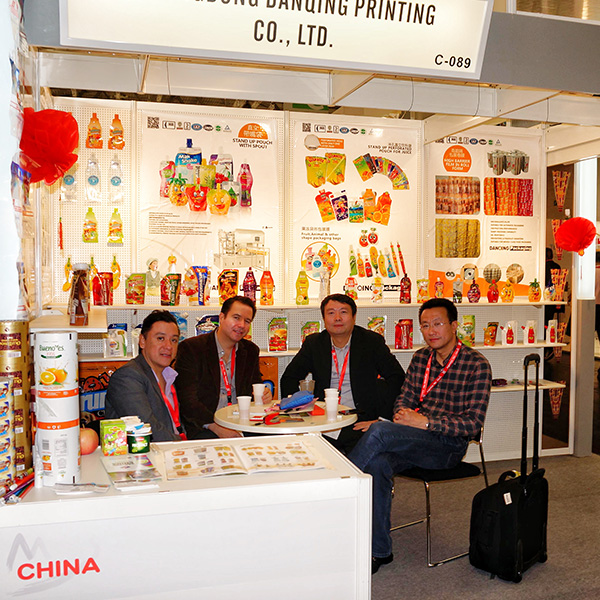
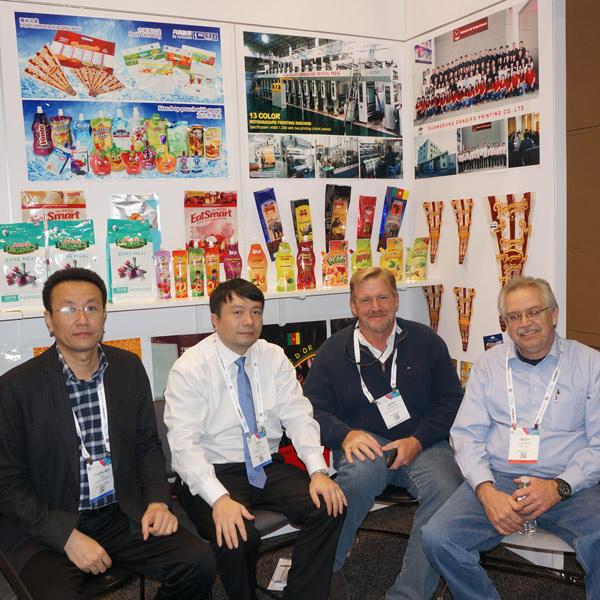
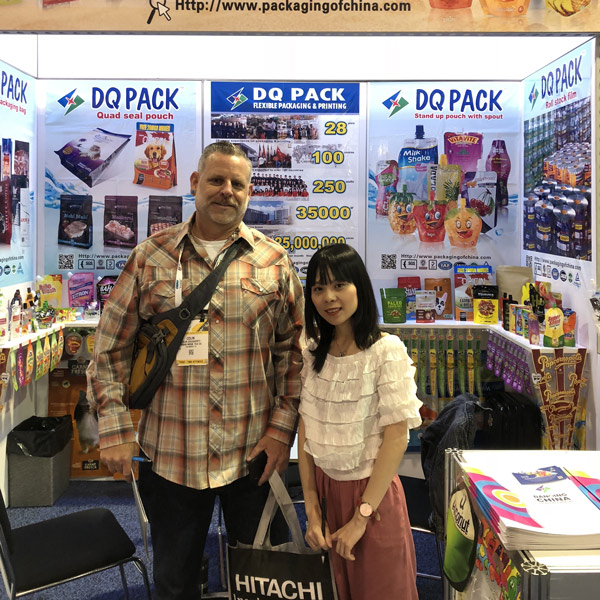
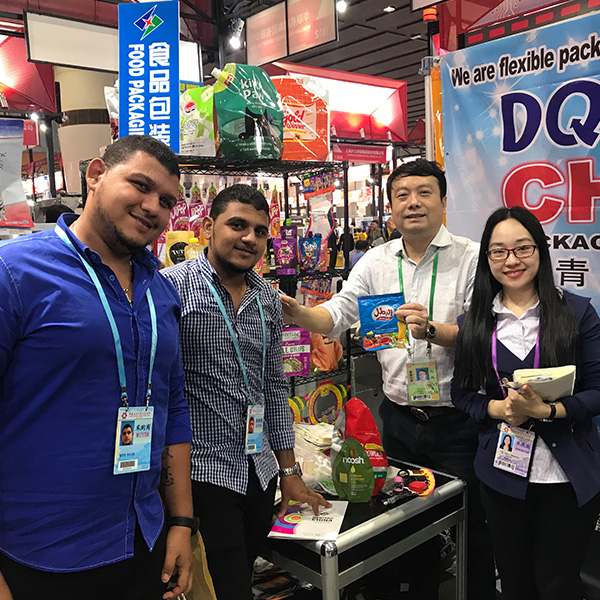
DQ PACK actively participates in prominent global trade expos to showcase our next-generation flexible packaging solutions and connect with industry leaders worldwide.
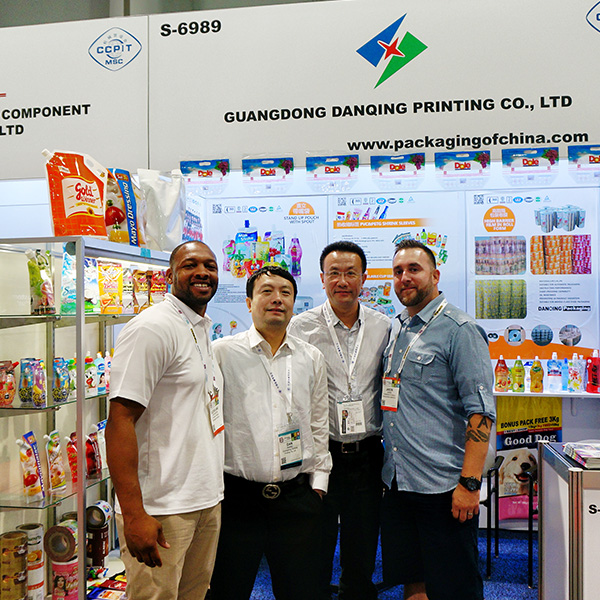
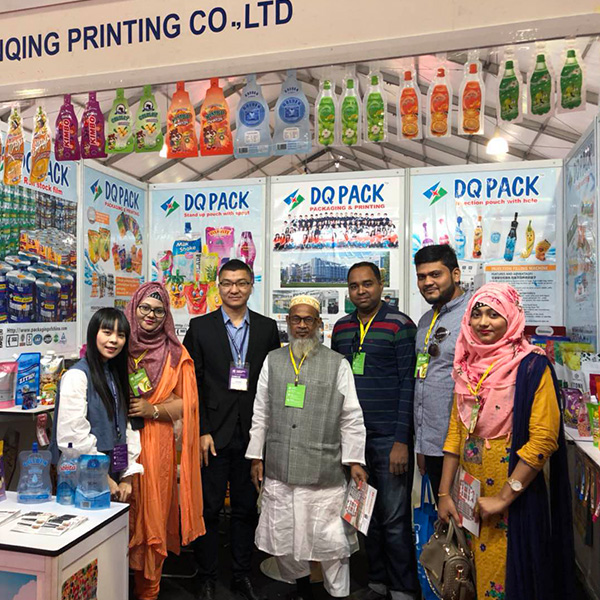
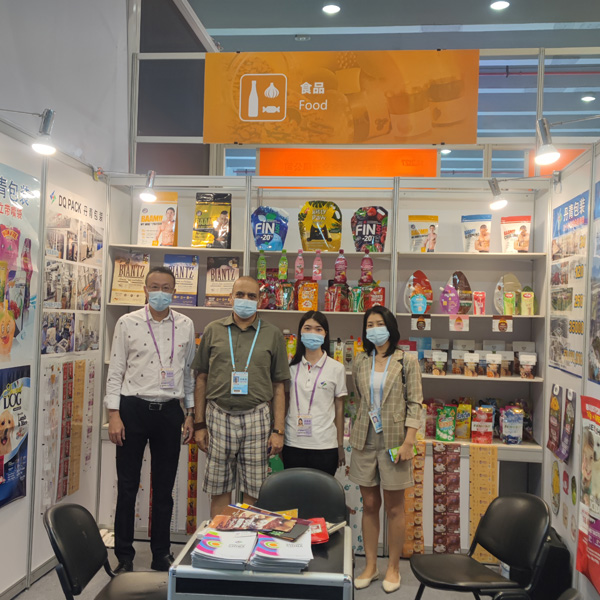
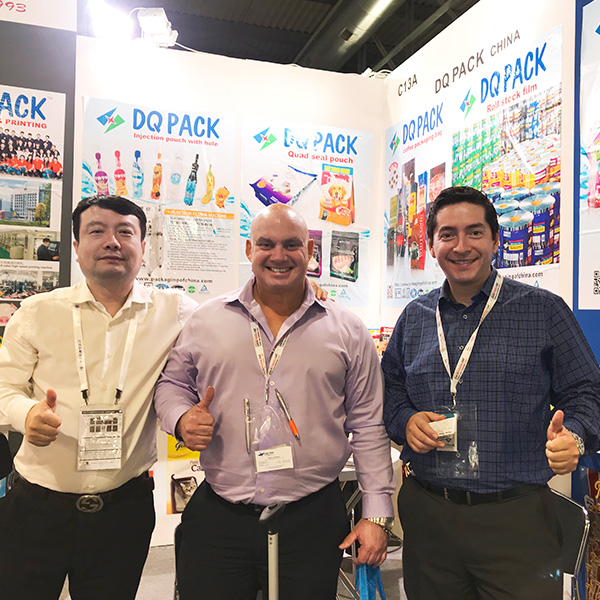
Discover our complete line of custom stand-up pouches, spouted Doypacks, roll stock films, and specialty barrier bags tailored for roasters and food producers.
With 31 years experience in packaging field, DQ PACK embraces the philosophy, aiming at striving to become the best partner from the local market for global customers and suppliers.